England 2–1 DR Congo: Two Key Takeaways From Nerve-Shredding World Cup Win
In a gripping World Cup clash, England triumphed over DR Congo with a 2-1 scoreline. The match highlighted England's determination and strategic execution under pressure.
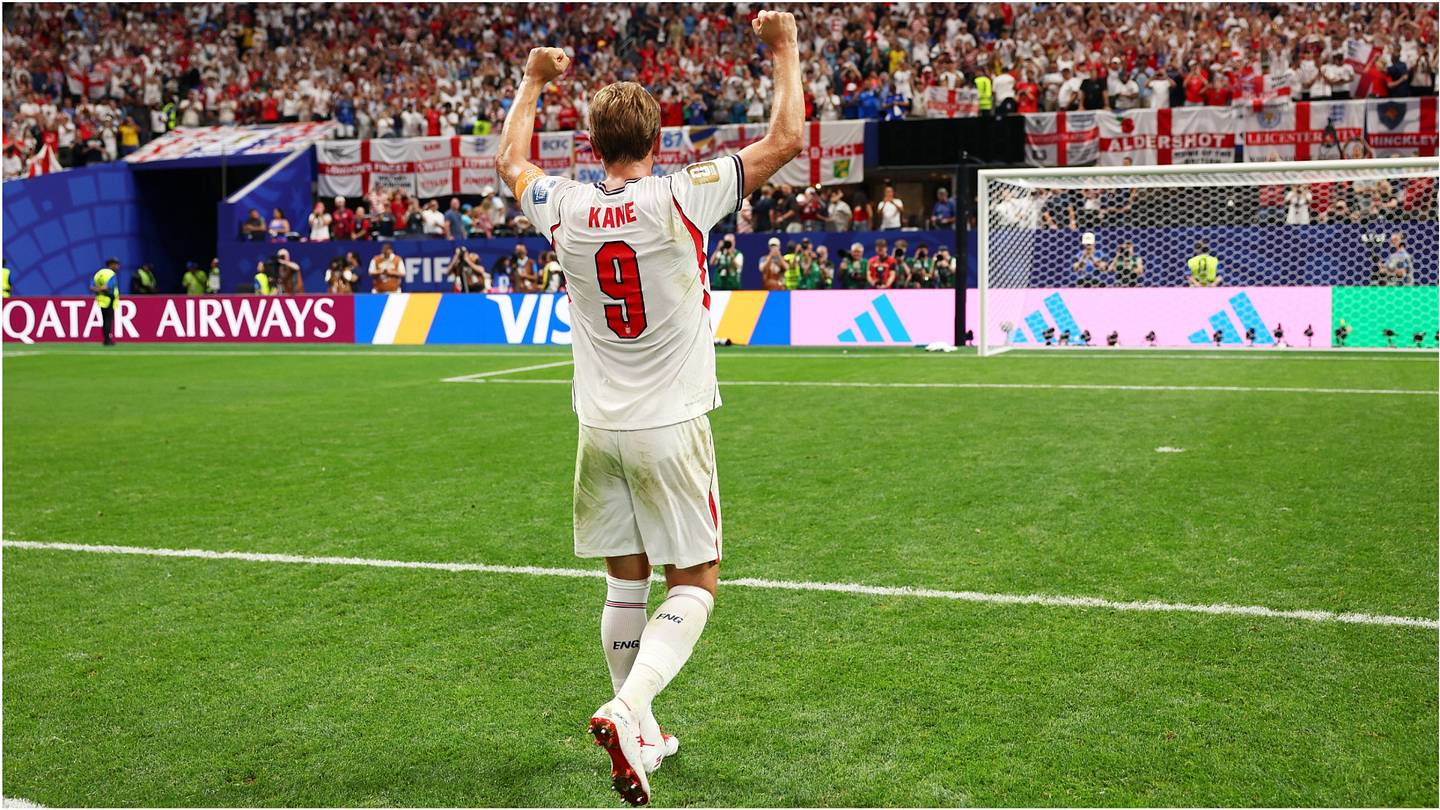
England secured a hard-fought victory against DR Congo, winning 2-1 in their World Cup round of 32 match in Atlanta. The win was not without its challenges, as England struggled for large portions of the game and faced an early setback. DR Congo's Brian Cipenga opened the scoring, leaving England to fight back to avoid a disappointing exit from the tournament.
Match Overview
From the outset, DR Congo aimed to limit England's attacking opportunities, having observed their difficulties against teams that employ a low defensive block. Despite this strategy, DR Congo also posed a threat, with Yoane Wissa hitting the post before halftime. England's performance was sluggish, particularly before the first hydration break, as they failed to create significant chances. By the time the teams regrouped, England was still trailing due to Cipenga's early goal.
Kane's Brilliance Shines Through
Harry Kane, despite a slow start to the match, proved to be the difference-maker for England. He had attempted to win a penalty in the first half but was instead penalized for a foul. However, his persistence paid off as he equalized in the second half with a precise header from an Anthony Gordon cross. Just 11 minutes later, Kane scored again, showcasing his skill by creating space and firing a shot past DR Congo's goalkeeper, Mpasi-Nzau.
With this performance, Kane not only added to his tally but also became England's all-time leading goalscorer at World Cups, surpassing Gary Lineker with 13 goals. He is now in contention for the Golden Boot, tied on five goals for the tournament with Erling Haaland and just one behind Lionel Messi and Kylian Mbappé. While England has areas to improve regarding intensity and creativity, Kane's presence ensures they remain a formidable force in the competition.
Source: si.com