Europe to boycott World Cup over FIFA investment plan
European countries are considering a boycott of the upcoming World Cup due to FIFA's new investment plan, which has sparked significant controversy and debate.
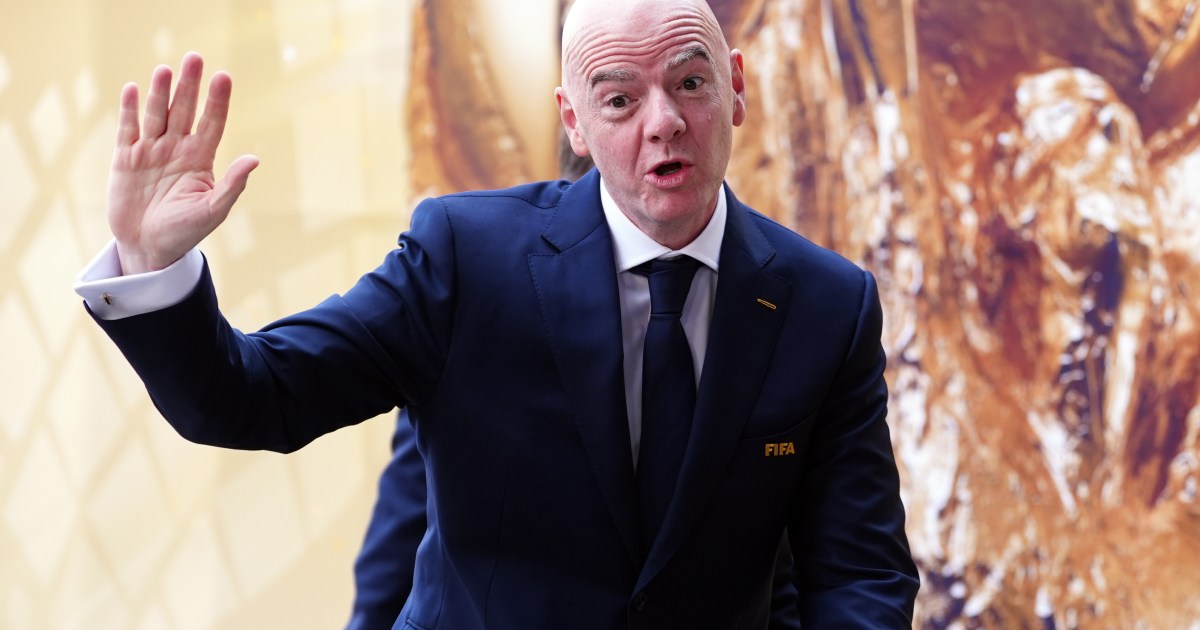
European nations have announced a boycott of all FIFA competitions in response to the organization's controversial investment plan. This decision comes after FIFA President Gianni Infantino revealed intentions to establish a company that would involve private investors in the management of the World Cup and other events.
UEFA's Strong Stance
In a virtual crisis meeting, UEFA member associations expressed their unified opposition to FIFA's proposal. A statement from UEFA made it clear: “No UEFA national teams will participate in any FIFA competition for so long as these proposals remain alive, unless this proposal has been abandoned in its entirety and binding assurances have been given that FIFA will never again open its governance or competitions to private ownership.”
FIFA's plans, which were disclosed following media reports, involve the creation of FIFA Forward Enterprise (FFE). While FIFA stated that FFE would be owned and controlled by the organization, it also indicated a desire to sell minority stakes to private investors, with Thrive Eternal, a company founded by Joshua Kushner, identified as a potential lead investor.
Concerns Over Commercialization
UEFA's statement emphasized the importance of the World Cup as a cherished sporting legacy, asserting, “The World Cup cannot be treated as an investment product.” The governing body highlighted that the tournament has been built over generations by players, national teams, and supporters worldwide, and insisted that it should never be surrendered to private investors.
FIFA has argued that the investment plan would significantly boost development funding for national associations, potentially increasing it to $A14.2 billion ($US10 billion) during the 2027-2030 cycle. However, UEFA and other associations are concerned that private equity involvement could lead to pressure for more frequent competitions, ultimately affecting the football calendar and increasing ticket prices for fans.
The English Football Association has also voiced its opposition, stating that it stands “shoulder to shoulder” with its European counterparts, affirming that “the FIFA World Cup belongs to football and always will.”
Source: thenewdaily.com.au