Inside FIFA's failed US$4.2bn World Cup rights plan: How Infantino's biggest gamble became his biggest crisis
FIFA's $4.2 billion plan for World Cup broadcasting rights, spearheaded by Gianni Infantino, has faced significant challenges, leading to a crisis for the organization. This article delves into the missteps and implications of this ambitious gamble.
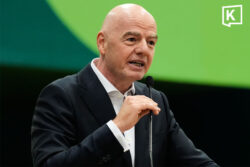
FIFA president Gianni Infantino has issued an apology to the organization’s 211 member associations following a failed initiative to sell a stake in the World Cup's commercial rights. This attempt has resulted in a significant governance crisis during his presidency, revealing deep divisions within the football community and raising concerns about transparency and the sport's future direction.
Emergency Meeting in Rabat
The apology came after an emergency meeting held in Rabat, Morocco, which included Infantino, FIFA secretary-general Mattias Grafström, and members of FIFA’s management board. This meeting was prompted by increasing opposition from various continental confederations, national associations, and prominent figures within FIFA. Despite the backlash, FIFA's management board expressed its continued support for Infantino, while also recognizing that the proposal had not been handled appropriately.
In a letter co-signed by Infantino and Grafström, FIFA acknowledged that “mistakes were made” and expressed regret for not adequately consulting member associations prior to the announcement of the plan. The letter stated, “It was certainly not the intention for the FIFA Council and FIFA Member Associations to feel excluded from the process and it should have been handled differently.” The organization committed to ensuring that such errors do not occur in the future.
The Unraveling of a $4.2 Billion Proposal
The controversy centered around FIFA Forward Enterprise (FFE), a proposed commercial subsidiary intended to manage FIFA's most valuable assets, including the men's and women's World Cups. FIFA aimed to sell approximately a 20% stake in this new entity for an estimated US$4.2 billion while maintaining majority ownership, with the goal of attracting new investments and fostering long-term commercial growth. However, the proposal quickly fell apart.
UEFA was quick to condemn the plan, asserting that “the soul and governance of football are not assets to trade” and emphasizing that “none of us are the owners of football. It is not FIFA’s to sell.” The 55 member associations from Europe unanimously threatened to boycott FIFA competitions if the proposal moved forward. Additionally, the Asian Football Confederation (AFC) and CONCACAF voiced their disapproval, noting that they had only learned about the proposal through media coverage rather than through official channels.
Political Implications
The failed proposal also drew political scrutiny, particularly because the reported investor group was to be led by Thrive Capital. This connection has added another layer of complexity to the situation, as FIFA faces increased pressure to address governance and transparency issues.
In summary, Infantino's ambitious plan to monetize FIFA's commercial rights has not only failed but has also sparked a crisis that could have lasting implications for his leadership and the organization as a whole.
Source: khaosodenglish.com