Why Iran’s Late Goal Against Egypt Was Ruled Out For Offside | FOX Sports
In a dramatic finish, Iran's late goal against Egypt was ruled out for offside, sparking debates among fans and analysts alike about the decision.
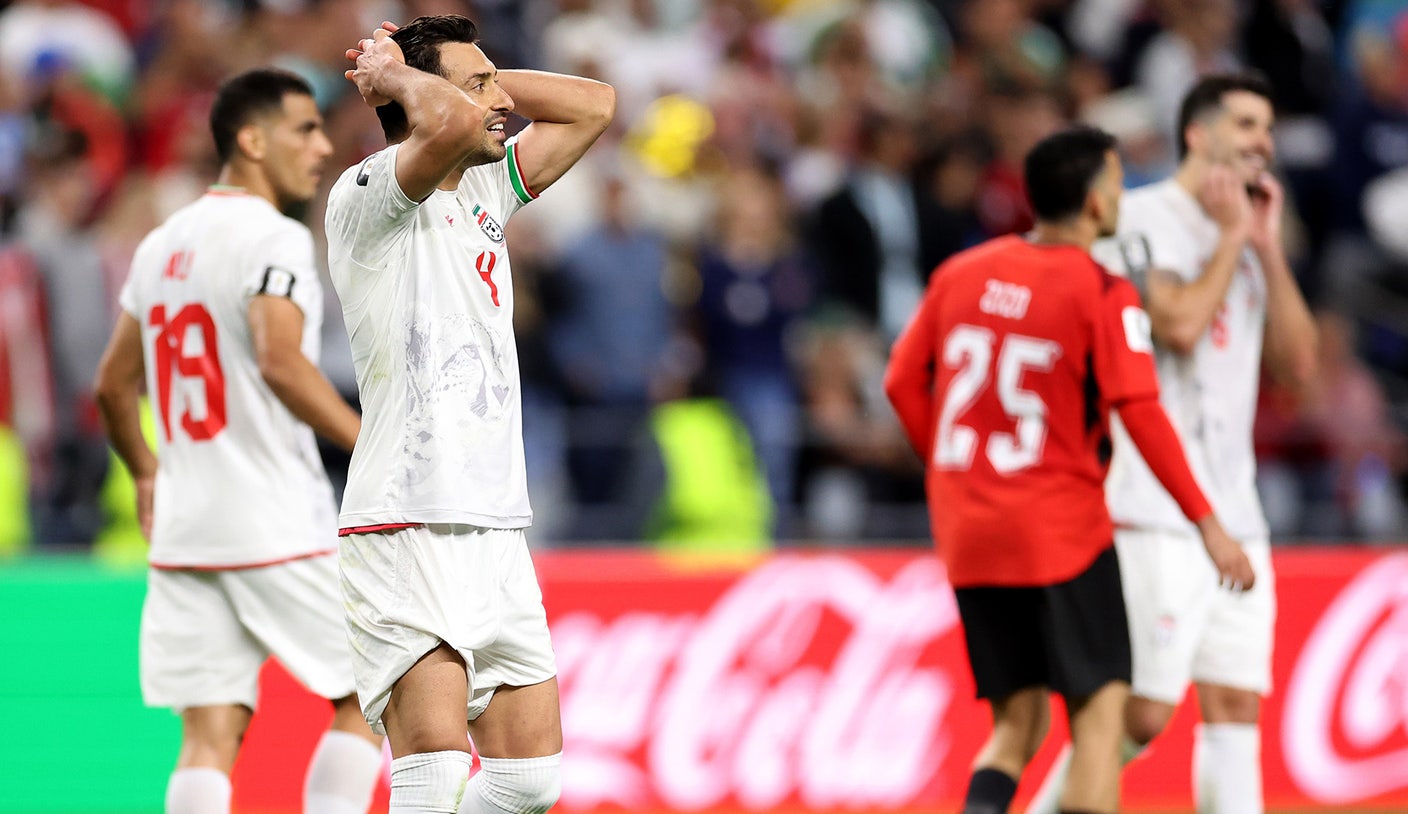
In a dramatic finish during the FIFA Men's World Cup match between Iran and Egypt, a late goal by Shoja Khalilzadeh was disallowed for offside, leaving Iran's hopes for advancement hanging in the balance.
Disallowed Goal in Stoppage Time
As the match entered the 93rd minute, Khalilzadeh appeared to score what could have been a crucial goal for Iran, putting them ahead in a bid to secure a spot in the knockout stage as the second-place team in Group G. The Iranian players celebrated exuberantly, believing they had clinched victory. However, the joy was short-lived as VAR intervened to review the play.
Understanding the Offside Rule
The confusion surrounding the offside decision stemmed from the positioning of the players involved. Yasser Ibrahim was behind Khalilzadeh when the ball reached him, leading many to assume he had kept Khalilzadeh onside. However, Ibrahim was the last Egyptian player, not the second-last. The position of Egypt's goalkeeper, Mostafa Shobeir, was pivotal; he had advanced further up the field, thus altering the offside line. According to the rules, the offside position is determined by the second-last opponent, which in this case was Hamza Abdelkarim, who was behind Khalilzadeh at the moment the ball was played.
Impact of the Decision
This ruling meant that Khalilzadeh was in an offside position, nullifying the goal. The disallowed goal was a crushing blow for Iran, as a late winner would have guaranteed their progression to the knockout stage. Instead, the match concluded in a 1-1 draw, leaving Egypt in second place and Iran awaiting the outcomes of other matches to determine if they could advance as one of the best third-place teams.
Source: foxsports.com