World Cup 2026: Political tension has 'undermined' Iran's World Cup joy - BBC Sport
The upcoming 2026 World Cup is marred for Iran by significant political tensions, which have diminished the joy and enthusiasm surrounding the event for its supporters.
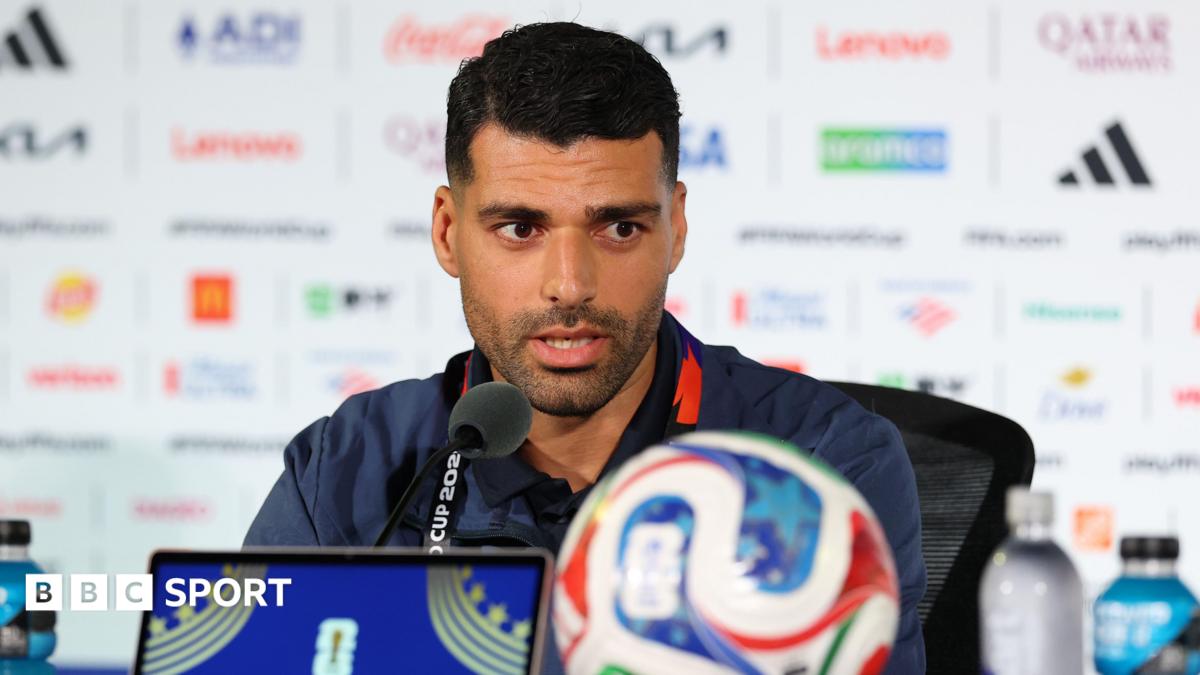
As the 2026 World Cup approaches, Iran's national football team finds itself entangled in significant political challenges that overshadow their participation. The team arrives in the United States, a nation with which it has had a tumultuous relationship, particularly highlighted by recent hostilities.
Political Context and Team Preparations
Iran's squad has faced numerous obstacles, including visa complications and the need to relocate their base camp from Tucson, Arizona, to Tijuana, Mexico. These decisions were made amid rising concerns about security and the political climate surrounding their World Cup involvement. Striker Mehdi Taremi expressed the impact of this tension, stating, "This kind of tension undermines the joy of the World Cup," and noted that the atmosphere was charged from their arrival.
Iran's manager, Amir Ghalenoei, acknowledged that the disruptions have affected the team's preparations. He remarked, "Without any doubt, this kind of behaviour has impacted the spirit of football," emphasizing that football should unite cultures and bring joy. Despite the challenges, he remains focused on ensuring that his players concentrate on their performance, even as they arrived late with limited time to acclimatize.
Community Response and Protests
As the team prepares to face New Zealand in their World Cup opener, the Iranian diaspora in Los Angeles, often referred to as "Tehrangeles," is gearing up for a significant presence at the match. While many will support the team, others plan to protest against FIFA's ban on the pre-revolutionary Lion and Sun flag, a symbol of pride for many Iranians abroad. Activist Arezo Rashidian, who is organizing demonstrations, voiced the community's frustration, stating, "You don't come to Los Angeles and tell us we can't fly the Lion and Sun flag."
The sentiments within the diaspora are complex, with many members opposing the Iranian regime and viewing the national team as an extension of its authority. Rashidian lamented, "It's unfortunate that the regime turns athletes into mouthpieces," highlighting the desire for athletes to maintain their independence from political narratives.
As Iran embarks on its World Cup journey, the interplay of sport and politics remains a poignant backdrop, shaping the experience for players and fans alike.
Source: bbc.com